


Sector
Rail


Location
Port of Portland, Victoria
Project Overview
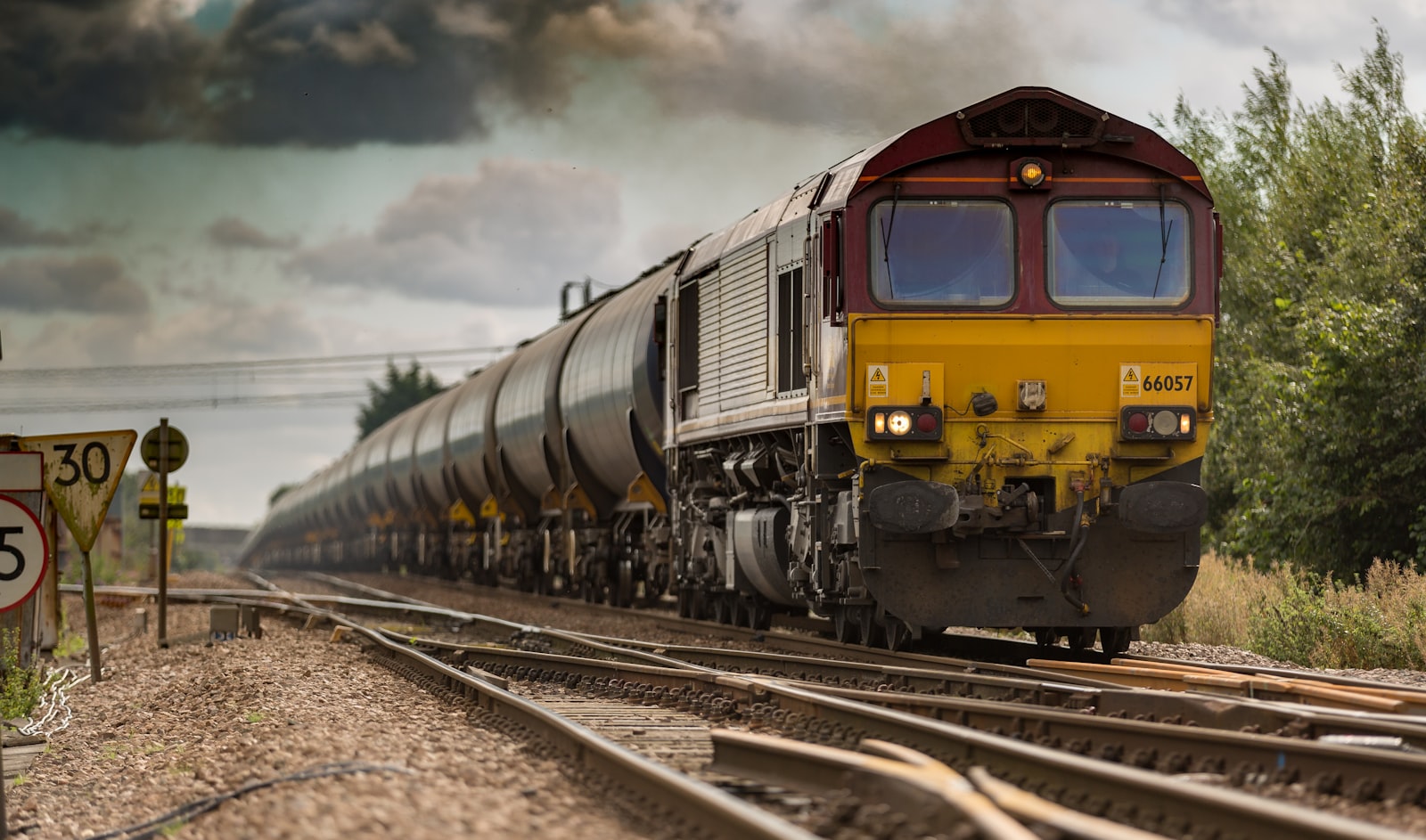
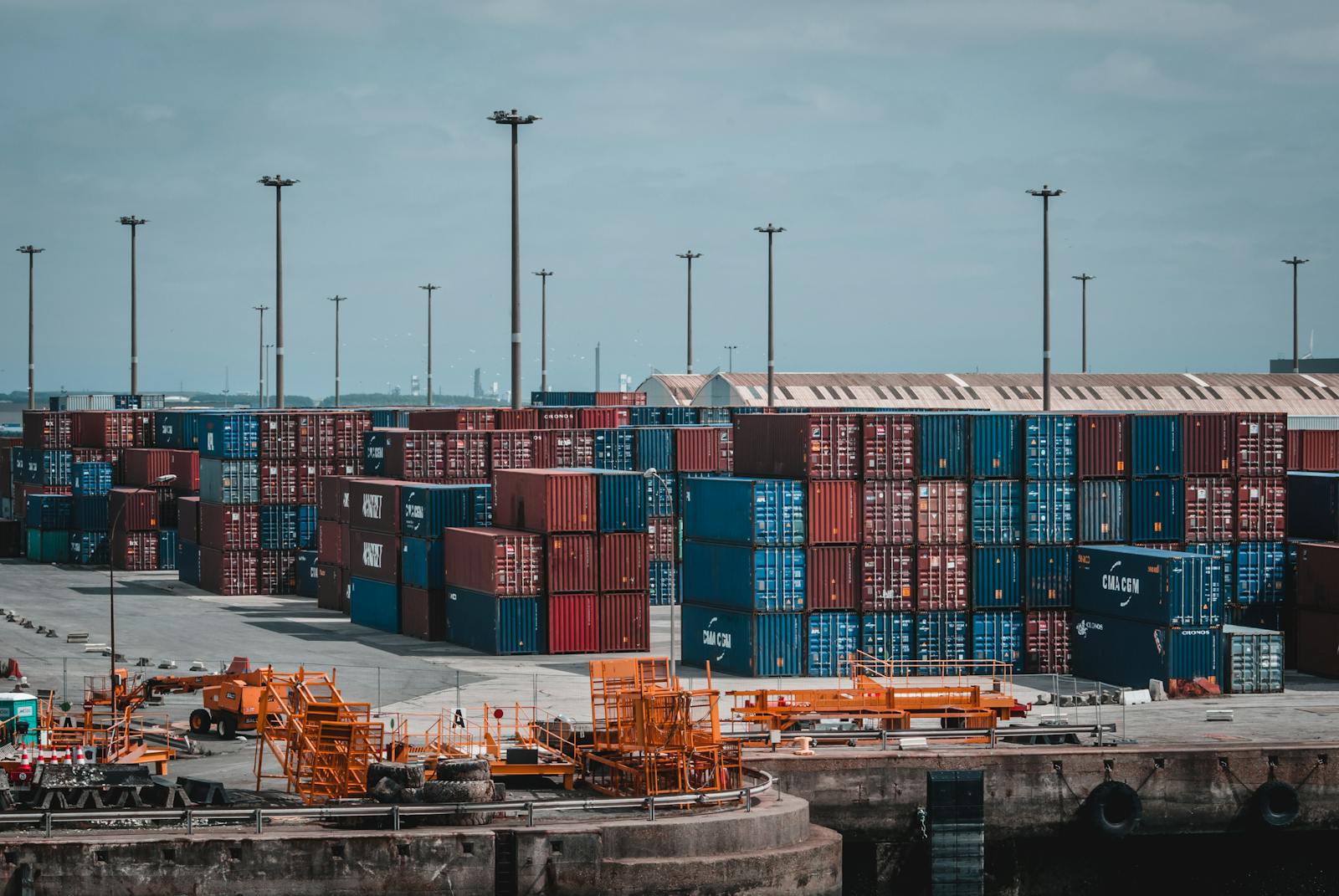
The Maroona to Portland Rail Line (“Portland Line”) is a 173.3km standard gauge rail line that links the Port of Portland with the national rail network. The Portland Line is a vital component of the regional supply chain that enables the export of timber, grains, and minerals to domestic and international markets. The line is operated and maintained by the Australian Rail Track Corporation (ARTC) under a long-term lease agreement between ARTC and the Victorian government.
Client’s Requirements
For the Maroona to Portland Line Upgrade project, the Australian Rail Track Corporation required the preparation of a detailed first-principles cost estimate, the undertaking of a Quantitative Cost Risk Assessment (QCRA), and the development of a refined scope of works to support its business case submission. In conjunction with ARTC, the scope was defined and structured across five potential upgrade options, ensuring each option was clearly articulated, technically aligned with network requirements, and commercially comparable. The requirement included transparent rate build-ups, evidence-based risk quantification, and option-specific cost modelling that reflected live corridor constraints, brownfield conditions, and possession impacts. The outputs were required to provide robust cost certainty, defensible contingency allowances, and clear investment comparisons to inform governance review and funding approval decisions.
Our Contribution
Anhur Dynamics Consulting’s contribution was central to strengthening the commercial and technical rigour of the business case. We prepared a detailed first-principles estimate developed from the ground up, including a detailed review of all available design documentation to validate scope definition, construction methodology, productivity calculations, comprehensive quantity take-offs, productivity-based rate build-ups, and clear delineation of direct costs, indirect costs, preliminaries, escalation, and overheads. The estimate was structured to enable transparent comparison across five potential upgrade options, ensuring consistency of assumptions and commercial alignment.
A comprehensive Quantitative Cost Risk Assessment (QCRA) was undertaken to systematically identify, analyse, and model key project risks, including brownfield uncertainties, formation conditions, possession constraints, supply chain factors, and constructability challenges within a live freight corridor. Risk drivers were quantified using evidence-based inputs, generating statistically derived contingency allowances tailored to each option and aligned with the project’s level of definition. In parallel, we worked closely with ARTC to develop and refine the scope of works, clearly articulating the technical extent, interfaces, and delivery assumptions underpinning each option.
This process ensured the scope was both operationally realistic and commercially defensible, eliminating ambiguity and strengthening the integrity of the cost model. Technical advice was provided throughout to inform scope optimisation, staging considerations, productivity assumptions, and risk mitigation strategies. Our integrated approach delivered an investment-ready cost and risk position, providing ARTC with the confidence and clarity required to support governance review and funding approval for the preferred option.
Competitive Advantage
-

Establishing a robust first-principles estimating framework grounded in delivery methodology, productivity modelling, and transparent rate build-ups
-

Structuring and refining scope definition across five potential upgrade options to ensure clarity, consistency, and comparability for business case evaluation
-

Integrating Quantitative Cost Risk Assessment (QCRA) modelling to systematically identify, quantify, and model key brownfield, possession, and constructability risks
-

Aligning cost, risk, and scope assumptions to produce defensible contingency allowances tailored to each option’s maturity
-

Providing technical and commercial advice to optimise scope, staging, and delivery strategies within a live freight corridor
-

Delivering governance-ready reporting outputs to strengthen funding confidence and support informed investment decision-making
Anhur Dynamics Consulting’s approach combined specialist quantity surveying expertise with infrastructure risk modelling and strategic business case alignment. Drawing on rigorous methodologies and disciplined commercial controls, we delivered an investment-ready cost and risk position that enhanced transparency, strengthened option comparability, and provided ARTC with the clarity and required to progress the preferred upgrade pathway with confidence.